

A finish photograph can catch your eye. A physical sample gives you more to work with: the overall movement, the detail of the surface, and how it looks beside the materials already in your room.
Our Sample Board Studio shows original boards made by Brendan Hudson. These are studies of a finish direction, rather than photographs of completed rooms. Here is how to use them to start a useful conversation.
Start with the whole board.
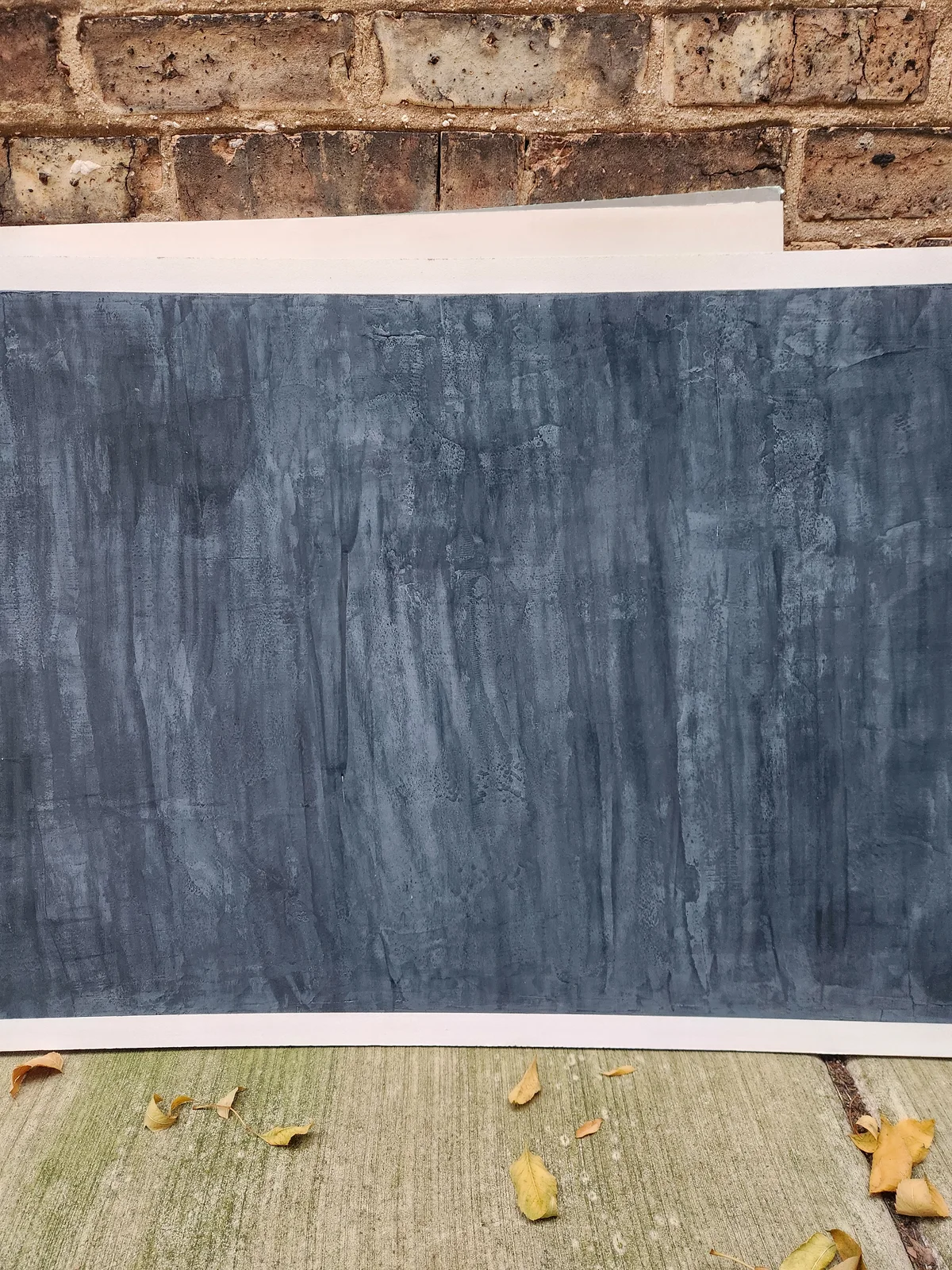
Step back before looking closely. Does the movement read as quiet, cloudy, sweeping or directional? On the Memory TR board, the vertical marks create a strong rhythm. Think about whether you want that direction across a feature wall or throughout a room.
Then look at the detail.
Look for the smaller marks within the overall pattern. Which parts are you responding to: broad passes, fine texture, contrasts in tone, or the way one layer meets another? Specific observations help us understand your reference more clearly than a finish name alone.
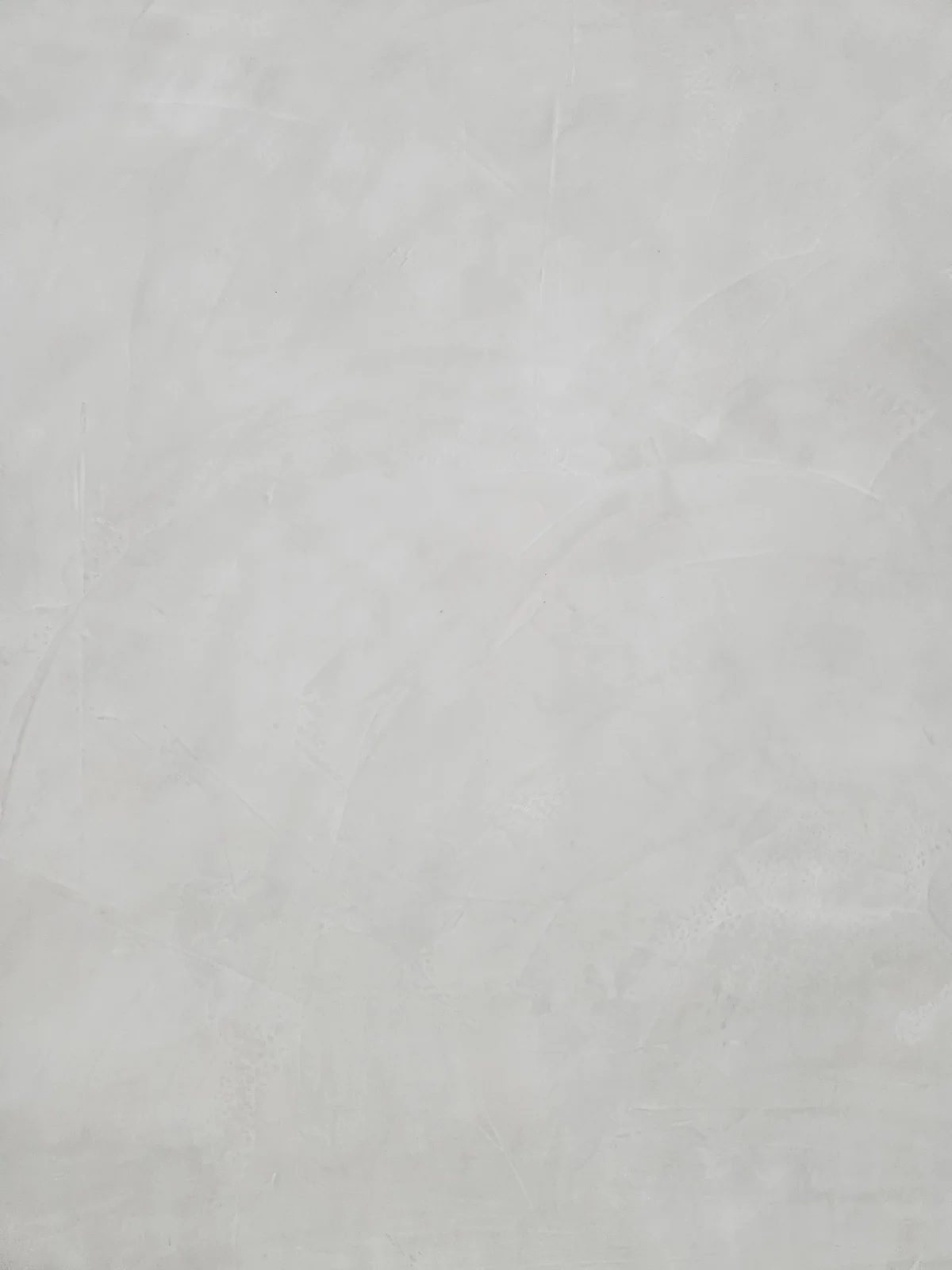
The pale Lithos sample has quieter contrast than Memory TR. That difference is useful when deciding how much activity you want the wall to bring to the room. It does not mean every pale finish will look like this board.
Review sheen in the room.
A photograph is one view under one set of lighting conditions. With the physical board, change the viewing angle and look near a window and under the lights you use in the evening. Notice where the surface catches the light and whether that suits the atmosphere you want.
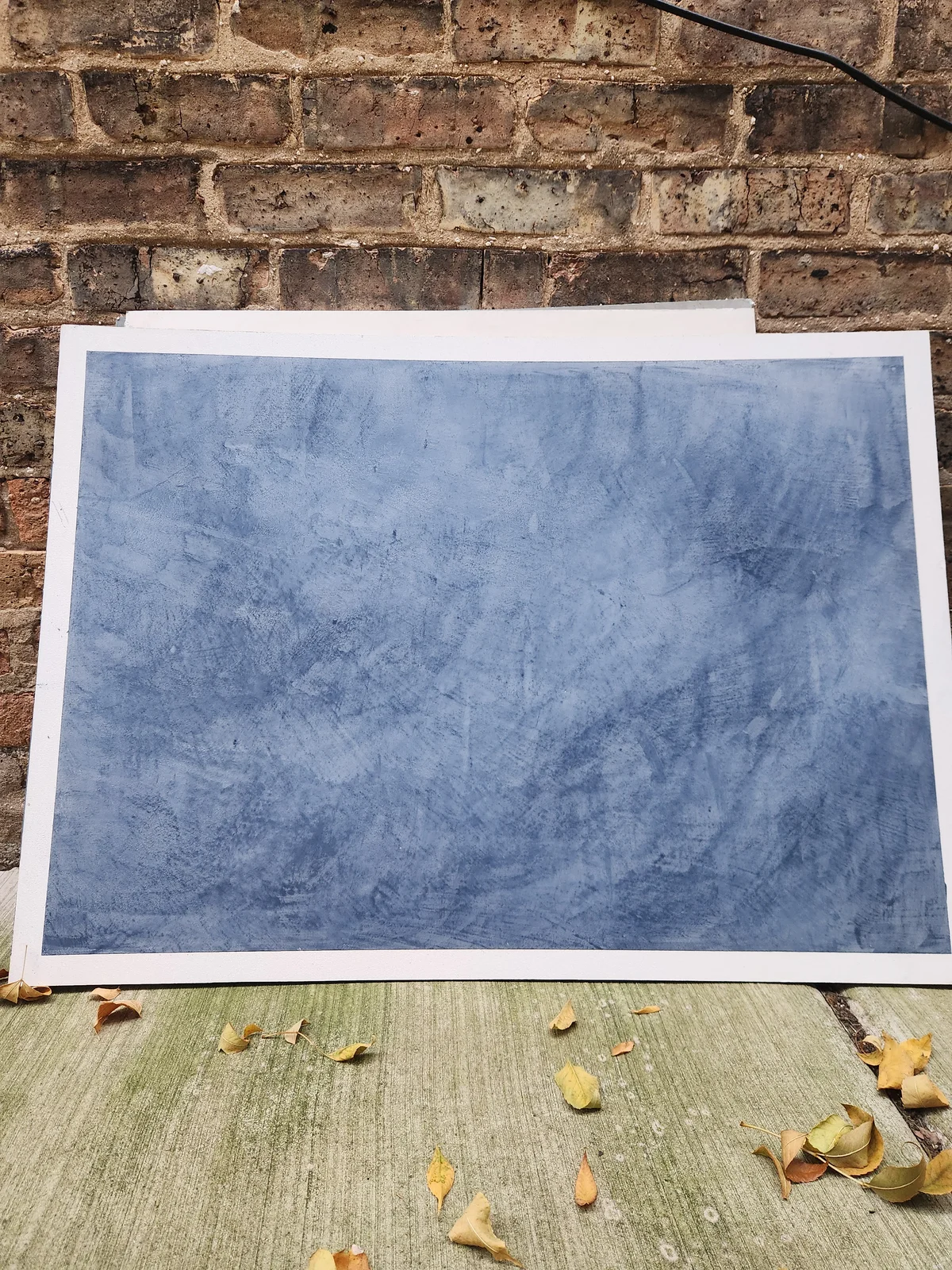
The blue satin Venetian sample introduces another combination of movement and sheen. Use it as an example to discuss, rather than assuming a photograph can show exactly how the finish will appear in your home.
Put it beside what stays.
Compare the sample near your flooring, trim, cabinetry and fabrics. Bring room photographs and a few references to the conversation, including what you like about each one. A photograph’s lighting and your screen can change how the color appears, so the physical board matters when agreeing on a direction.
Remember the full wall.
A sample establishes a direction; the room adds scale, corners, edges and changing light. Discuss which surfaces are included and the amount of variation you want. The existing wall condition and selected finish also guide the preparation and application scope.
Bring these questions to the consultation.
- How much movement do I want to see from across the room?
- Which texture and degree of sheen appeal to me?
- How does the physical sample sit beside the materials I already have?
- Which walls or ceilings should receive the finish?
- What preparation and care should we discuss for this room and selected material?
Explore the Sample Board Studio
A Little Paint develops decorative finish directions for Chicago homes and design projects. Share the room, your references and the parts of the samples that appeal to you, and we can discuss the next step.
Have a project in mind?
Tell us about your space. We’ll help you work out the next step.
Start a conversation